
The Allure of Risk and Reward
The thrill of gambling is deeply rooted in the psychology of risk and reward. Many players are drawn to casino games because of the exhilarating potential for large payouts. This excitement triggers the brain’s reward system, releasing dopamine and creating feelings of pleasure and anticipation. Furthermore, engaging with the best no kyc crypto casino can elevate the experience even further. The fear of loss, combined with the hope of winning, creates a powerful emotional pull that can make players feel alive and engaged.

Moreover, the unpredictability of outcomes in casino games adds to their appeal. This element of chance keeps players on their toes, as they never know when a big win might occur. The psychology of uncertainty often leads individuals to gamble more, striving to achieve that adrenaline rush repeatedly. Understanding this dynamic can explain why some players consistently return to casinos, seeking that elusive jackpot.
Cognitive Biases and Gambling Behavior
Cognitive biases play a significant role in how players make choices in gambling environments. One common bias is the “gambler’s fallacy,” where individuals believe that past outcomes influence future events. For example, a player might think that a certain slot machine is “due” for a win because it has not paid out recently. This misperception can lead players to continue betting, even when the odds remain unchanged.
Additionally, the illusion of control can lead players to believe they can influence the outcome of games that are purely based on chance. Many opt for games like poker, where skill interacts with luck, feeling that their decisions can sway the results. This cognitive distortion can make gambling more appealing, as players feel empowered despite the inherent randomness of the games.
The Social Aspects of Gambling
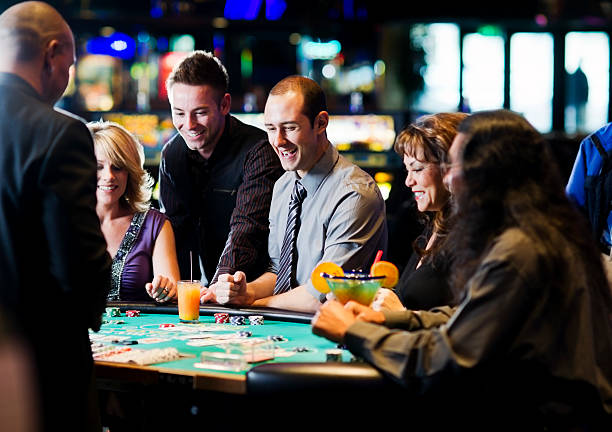
The social environment of casinos significantly shapes game choices. Many players enjoy the camaraderie of sharing gaming experiences with friends or other patrons. This social interaction creates a sense of belonging and community, which can enhance the overall enjoyment of gambling. Social factors often influence decisions, such as choosing games that are more popular or widely acknowledged among peers.
Additionally, peer pressure can impact game selection. Players may feel compelled to participate in specific games to align with the preferences of their friends or social circles, further driving their gambling behavior. This group dynamic also fosters a competitive spirit, encouraging individuals to take risks they might otherwise avoid when playing alone.
The Impact of Game Design on Choices